If you’ve ever been in a pricing conversation that suddenly took a turn—
“That just doesn’t seem fair…”
“We found someone else willing to do the same thing for less…”
“Why is it so expensive?”
—then you’ve already met the most weaponized word in sales: “fair.”
And if you didn’t have a game plan ready, chances are your confidence took a hit. Maybe you got flustered. Maybe you started justifying your price. Or maybe—despite your better judgment—you gave a discount just to end the conversation.
Let’s fix that.
Because there’s a way to stand firm, stay calm, and close powerfully—without ever sounding defensive, aggressive, or out of touch.
Let’s talk about mastering the art of fair.
Chris Voss calls “fair” the F-bomb of negotiation—and with good reason.
When a client says something doesn’t feel fair, it instantly puts you on the defensive. It implies you’re trying to take advantage of them. It suggests you’re unreasonable.
But here’s the secret: most of the time, when people say “that doesn’t feel fair,” what they really mean is:
“This doesn’t align with my expectations.”
“I don’t yet see the full value.”
“I’m scared to make the wrong choice.”
Fairness is emotional, not logical. And if you try to fight it with logic, you lose.
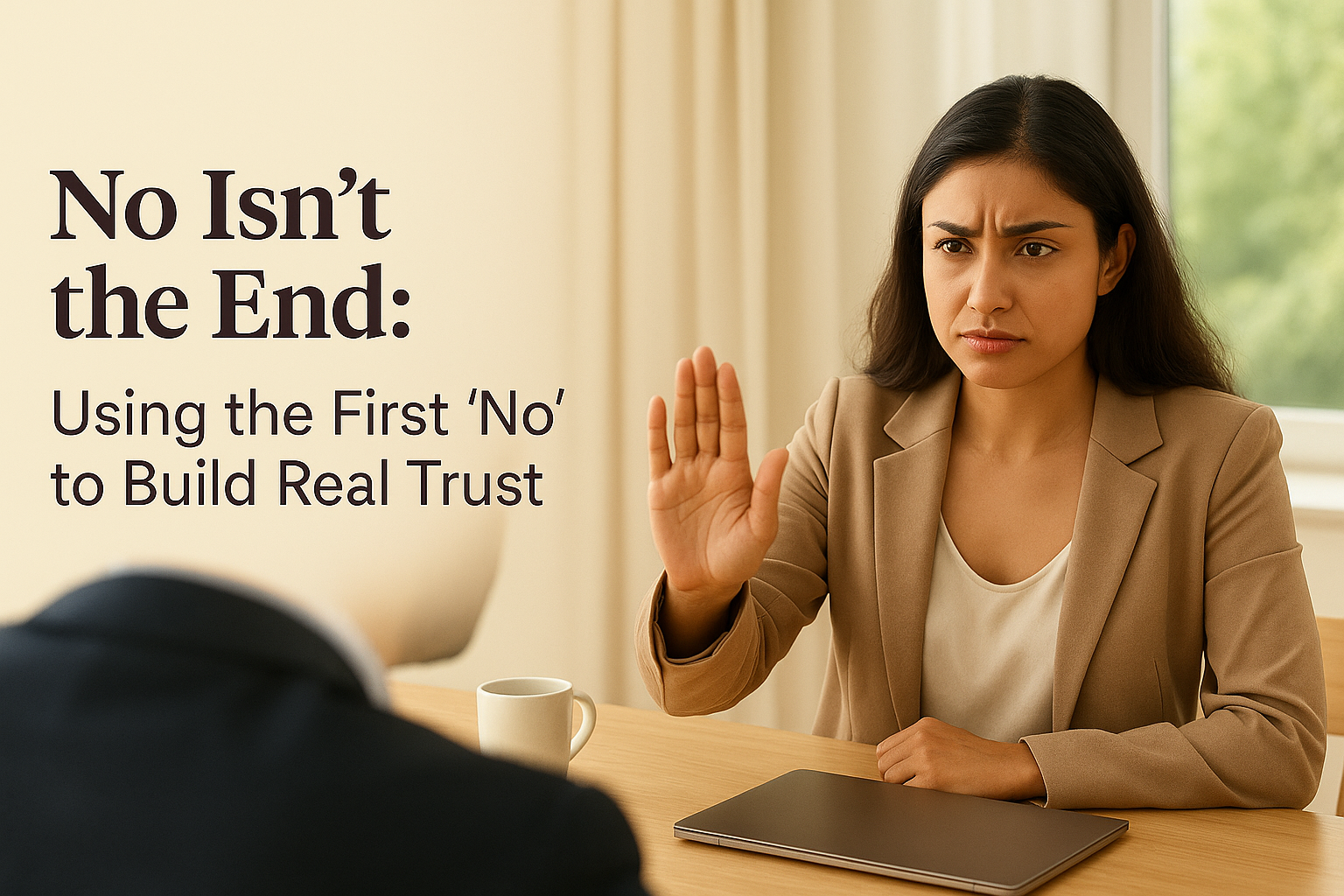
When someone hits you with “That doesn’t seem fair,” don’t panic—and don’t argue.
Instead, do three things:
“It sounds like you’re not sure this is the best use of your budget.”
“It seems like you’re comparing a few very different offers and trying to make sense of it all.”
This creates safety and invites explanation—not escalation.
“I always want my clients to feel like they’re getting more than what they paid for. Fair to me means being fully transparent about what’s included, and never overpromising just to get the booking.”
Now you’re defining fairness—on your terms.
“My goal isn’t to be the cheapest—my goal is to be the most thoughtful investment you make for your wedding day.”
This reframes the conversation around what they get, not just what they pay.
It sounds rigid and shuts the door on conversation. You’re allowed to hold firm—but do it with openness, not attitude.
That invites your client to see you as interchangeable—and opens the door to haggling.
Instead, focus on what sets you apart:
Your process
Your reliability
Your reviews
Your client experience
You don’t need to put anyone else down to rise above.
Here’s a script I’ve coached many vendors to use—especially in those tense final moments before a decision is made:
“I completely understand wanting to make a fair and informed decision. I feel the same way when I make a big investment. That’s why I’ve designed my process to be transparent, high-touch, and results-driven. If you’re still unsure, I’d rather walk you through a few real examples of how my clients felt afterward—because fair doesn’t just mean cost-effective. It means no regrets.”
That’s calm. That’s confident.
And that’s the energy that closes deals without ever lowering your value.
When word spreads that you’re “fair,” it helps you.
When word spreads that you’re “flexible,” it can hurt you.
Why? Because “flexible” becomes code for:
Willing to negotiate down
Priced based on what the client wants to pay
Easy to pressure
“Fair,” on the other hand, means:
Transparent
Structured
Confident and consistent
Your policies, pricing, and process should feel fair, even when they’re firm.
Every vendor wants to be respected. Every couple wants to feel secure.
The middle ground? It’s not in slashing your rates.
It’s in clear communication, well-designed packages, and unwavering professionalism.
When you hold your ground with kindness, structure, and empathy—you don’t repel good clients.
You attract better ones.
Let your process speak for your fairness.
Let your experience prove your value.
Let your tone close the deal—with zero defensiveness required.
—Bailey J.