You’ve just finished your pitch. You outlined your services, shared your pricing, and maybe even gave them a few examples of past work to help them envision the magic. And then comes the pause—followed by the infamous line:
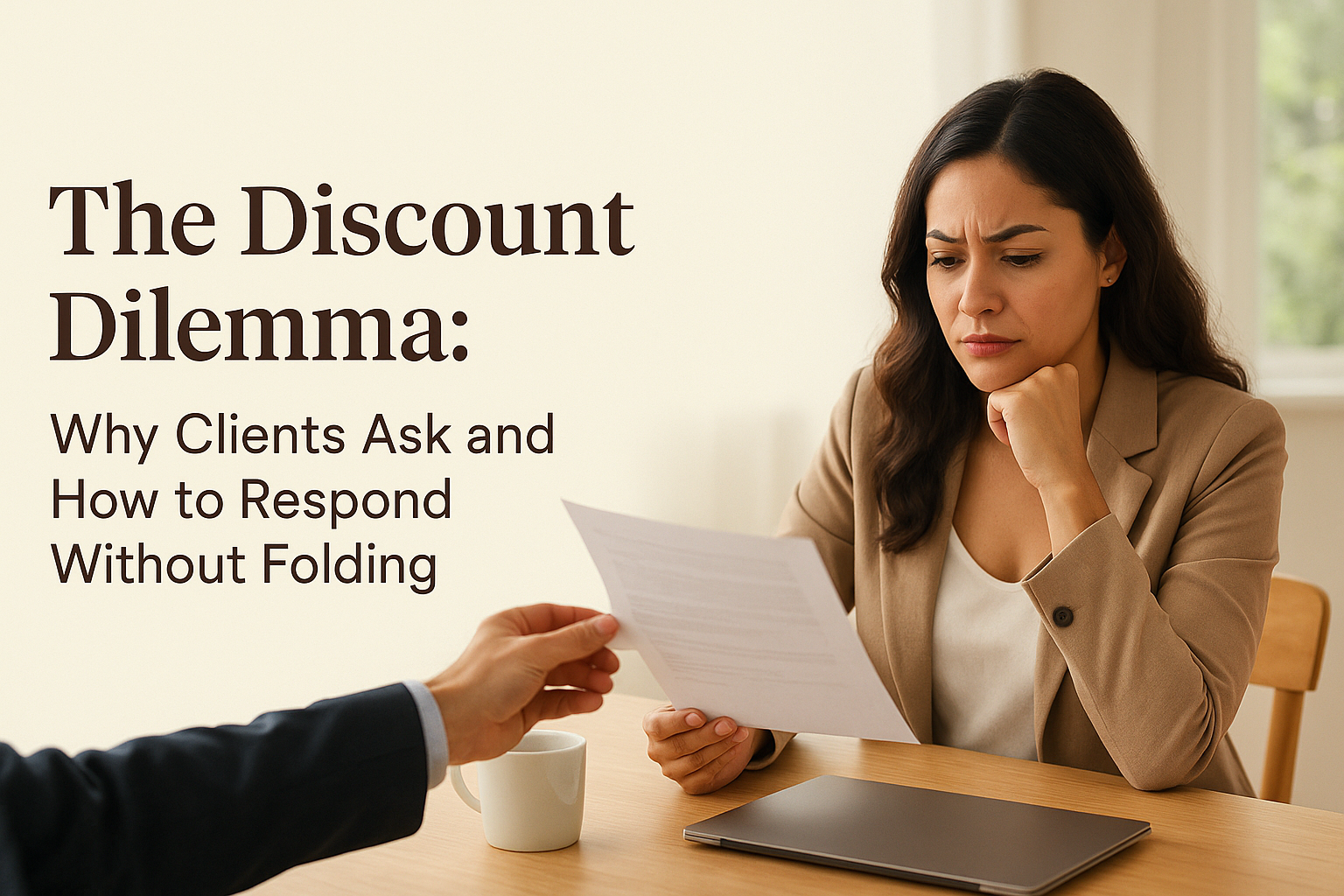
“We love what you do… but is there any room in the price?”
Let’s be honest: for many wedding vendors, this is the moment everything tightens. You’re torn between wanting the booking and holding the line on your worth. I get it. But here’s what I want you to know: a pricing objection isn’t a red light—it’s a negotiation cue. The question is how you respond.
It’s easy to assume the worst—that they’re just trying to get a deal, that they don’t value your work, or that they’re trying to lowball you. But that’s not usually the case.
Here’s what’s often really going on:
They’re uncertain about the true value you provide.
They’re comparing you to someone cheaper and don’t understand the difference.
They’re afraid of making a mistake or overspending.
They feel out of control and are trying to regain power in the conversation.
In other words, most discount requests are emotional, not logical. And emotional objections require emotional intelligence—not defensive pricing lectures.
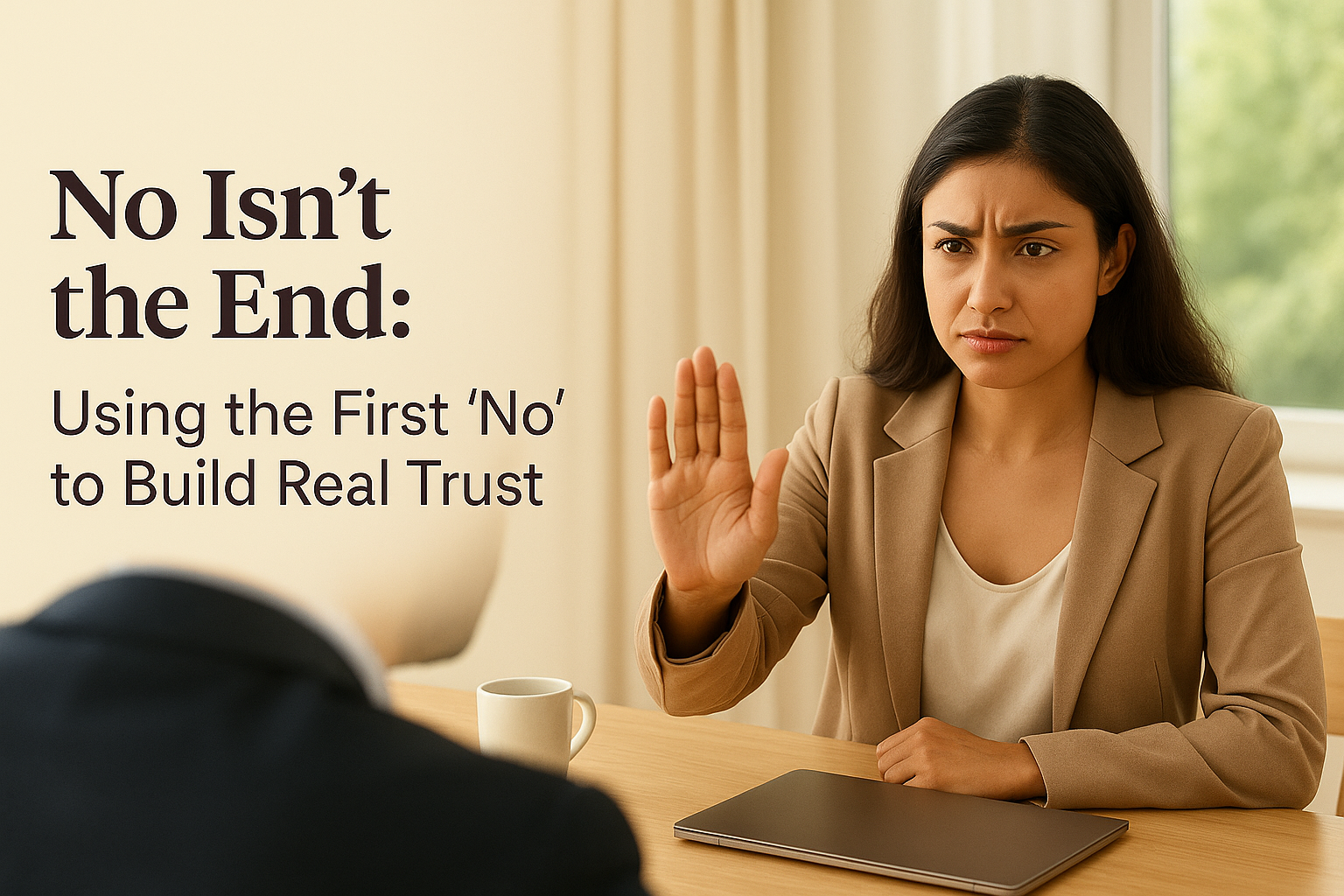
Chris Voss, a former FBI hostage negotiator, says “No” is where the real conversation begins. If your gut reaction is to immediately offer a smaller package or knock off $100, pause. That reflex is costing you not just money—but trust.
Your client isn’t just hiring a vendor. They’re hiring someone to bring their wedding vision to life. If you fold too quickly, it signals two things:
Your price was inflated to begin with.
You’re not fully confident in the value you bring.
Both of those interpretations can damage the relationship before it begins.
When someone pushes back on your price, the goal is not to defend it—but to validate why they might feel that way. This is where tactical empathy comes in.
Here’s what that sounds like:
“It sounds like you’re feeling a bit stretched budget-wise.”
“It seems like you’ve seen other vendors offering lower prices, and you’re wondering if there’s a difference.”
“It looks like you’re trying to be mindful of where you spend your money—totally get that.”
This technique is called labeling, and it does something powerful: it disarms your client without confrontation. You’re not arguing. You’re aligning. And that creates trust, fast.
Then? Be quiet. Let it breathe. Most people will start talking again—and that’s when you learn what’s really holding them back.
If you’ve built a strong brand and clear service outline, you shouldn’t be afraid to reframe the conversation around value. One of my favorite phrases for this is:
“I completely understand the need to be budget-conscious. Most of my couples feel the same way. What they’ve found, though, is that working with me up front prevents expensive problems later.”
Or:
“I get asked that a lot. What I’ve learned is that when we focus on cutting price, we often end up cutting the very things that make your experience amazing. Instead, let’s talk about what matters most to you so I can make sure we’re putting your money in the right places.”
No begging. No justifying. Just confidence, strategy, and respect.
If you do want to give a client a way forward without cutting your price, consider offering:
A smaller, more focused service package that still reflects your full value
A payment plan or flexible timeline
A service swap (less coverage in one area in exchange for maintaining quality in another)
A scheduling incentive (e.g., discount for off-peak dates only)
The goal is to reposition the offer, not devalue the service.
Here are a few “ready-to-go” vendor phrases you can start using:
If they ask for a discount directly:
“I totally understand wanting to be careful with your budget. Let’s look at how we can best align what matters most to you with the investment required.”
If they say another vendor is cheaper:
“That’s fair—there’s a wide range of pricing in our industry. What I focus on is delivering an experience where the end result is never in question. Let me walk you through why my couples choose me even when there are cheaper options.”
If they ask for you to price match:
“I appreciate that transparency. I’m probably not the cheapest, but I’m confident I deliver the kind of quality and service that ensures you won’t need to second-guess your decision. That peace of mind is part of the value.”
Discount conversations aren’t a sign of disrespect—they’re an opportunity to build trust. The couples who ask are often the ones who care most about getting it right. Your job isn’t to lower your price to keep them. It’s to raise their understanding of what working with you really means.
Remember: You don’t need to be everyone’s “yes.” You just need to be the right “yes” for the right client.
And if you do it well? You’ll not only book the job—you’ll earn their loyalty, referrals, and respect.
—Bailey J.